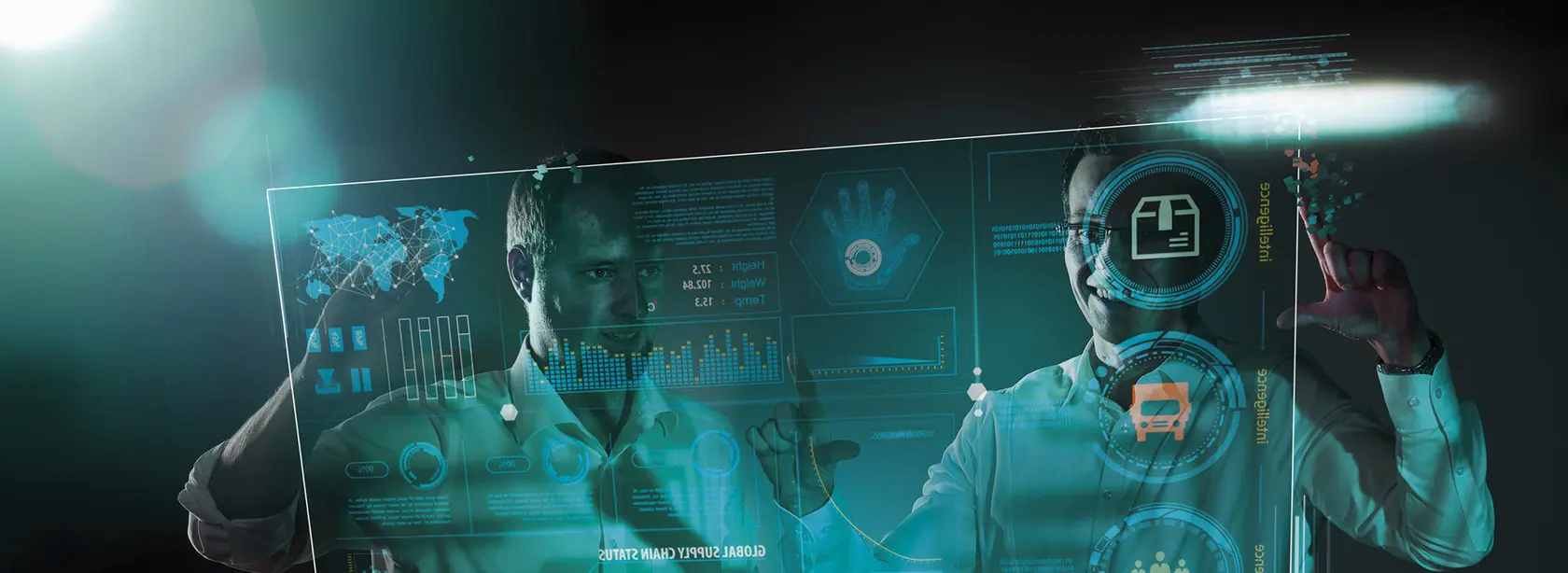
The Internet of Things (IoT) refers to the networking of smart devices via the internet.
Thanks to affordable microchips and sensors, everyday objects function more like computers.
Cloud storage is central to IoT communication. AI, neural networks, and machine learning allow systems to self-optimize over time.
Applications in logistics and industry
- Real-time fleet and asset tracking
- Smart shelves for stock control
- Predictive maintenance in production
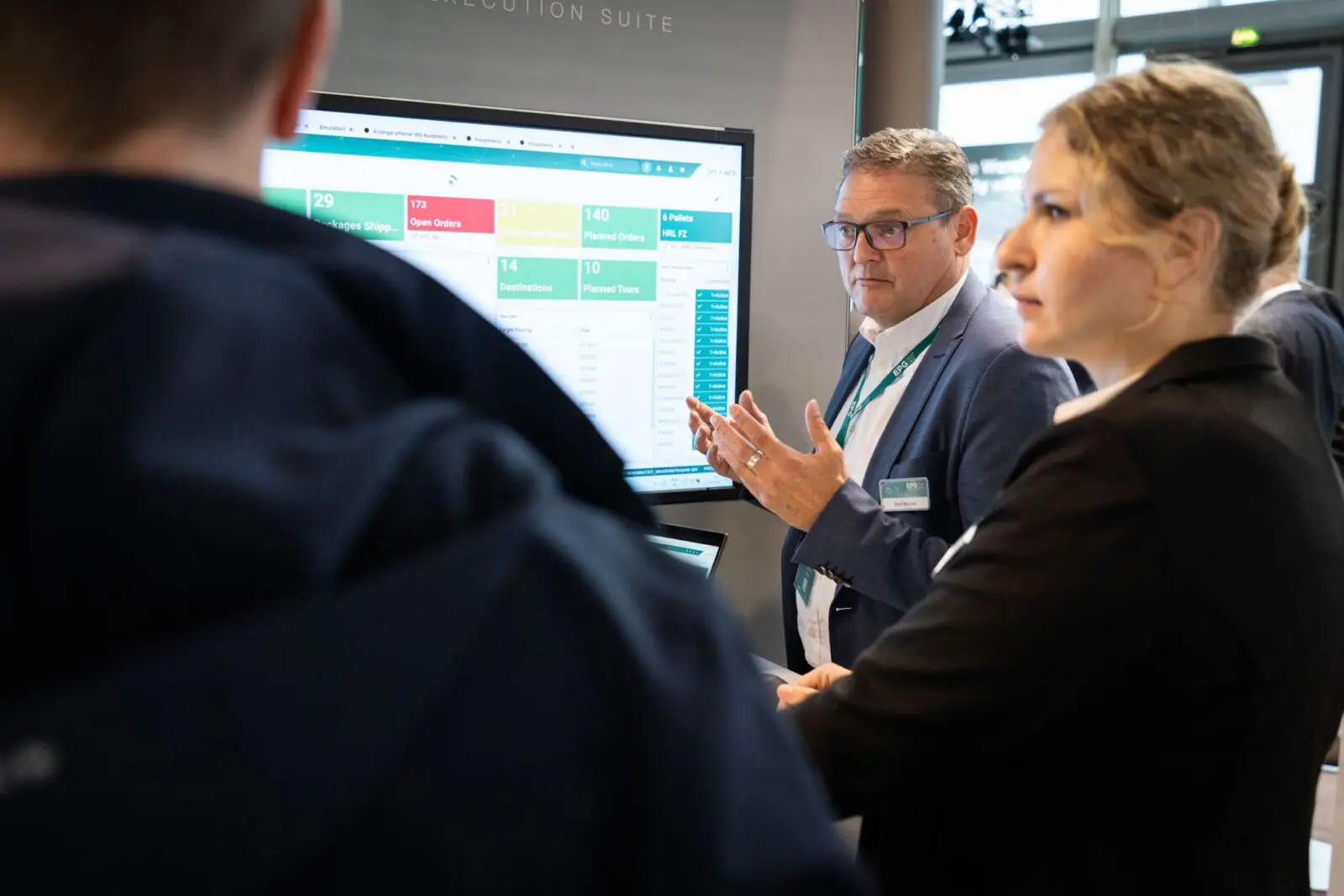
- Supply Chain Execution Systems (SES) integrate purchasing, warehousing, sales, and distribution
Examples:
- Fitness trackers sharing data with health insurers
- Machines that self-monitor and report quality metrics
- Fully networked supply chains enabling just-in-time and just-in-sequence
IoT enables sector-wide integration, including:
- Automotive: traffic prediction, autonomous driving
- Retail: real-time inventory, optimized delivery
- Manufacturing: preventive maintenance
- Smart Homes: automation of lighting, heating, voice control systems
Industrial IoT (IIoT)
Focused on industrial applications, IIoT enhances efficiency, productivity, and opens new business models. Despite potential job displacement, its advantages—streamlined operations, cross-departmental insights, and data-driven workflows – outweigh the drawbacks.


 English
  Español
  Português
  Deutsch
  English
  Français
  Italiano
  Español
  Nederlands
  Polski
  Čeština
  AE-English
  日本語
日本語  AU-English