The value chain describes the sequence of steps a product or service undergoes – from raw material to end user. Introduced by Michael Porter, the value chain is a strategic tool to increase customer value and achieve competitive advantage.
Businesses can optimize value by positioning themselves within the entire chain, including supplier and customer chains. Porter distinguishes between primary and support activities.
Porter’s value chain categories:
Primary activities:
- Inbound logistics: receiving and storing materials
- Operations: transforming inputs into finished products
- Outbound logistics: warehousing and delivering products
- Marketing & Sales: promoting and selling the product
- Service: installation, repairs, training, spare parts
Support activities:
- Procurement
- Technology development
- Human resource management
- Firm infrastructure
Goals of the value chain
The value chain provides a complete overview of all production steps, allowing companies to analyze and optimize both internal and external processes. Following the Lean Value Chain model, workflows should be streamlined for efficiency.
Recommendations from this analysis may include outsourcing or insourcing specific process steps.
How to analyze the value chain
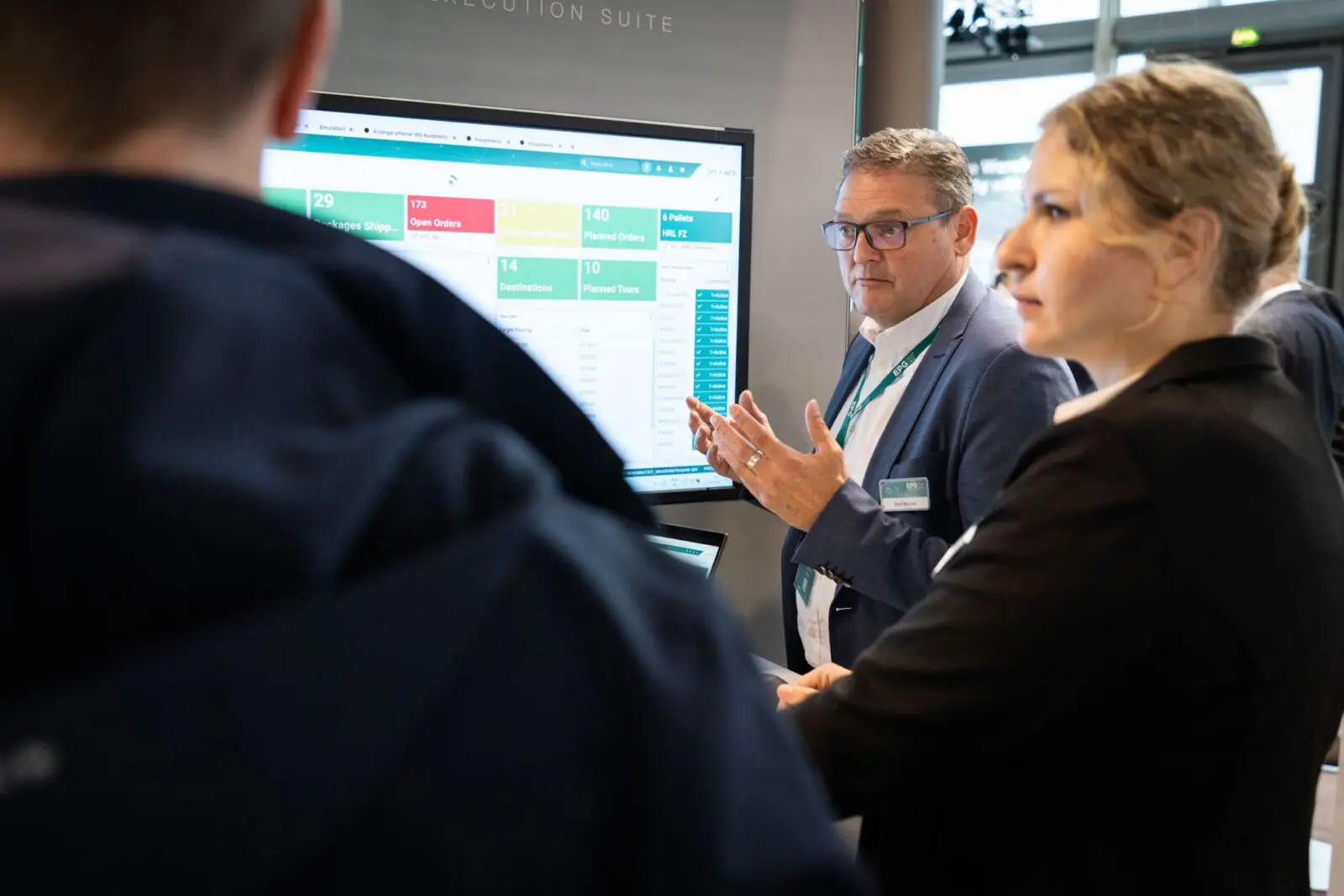
A basic method is manually listing all process steps, though this is often impractical. A more efficient solution is using Supply Chain Execution Systems (SES), which provide real-time data through dashboards, enabling fact-based decisions.
The future of the value chain
Efficiency within the value chain remains a top priority. Competitive pressure and customer expectations for delivery times and availability continue to rise. Environmentally, resource-conscious practices lead to greener operations. Maintaining an optimized value chain is thus both economically and ecologically essential.


 English
  Español
  Português
  Deutsch
  English
  Français
  Italiano
  Español
  Nederlands
  Polski
  Čeština
  AE-English
  日本語
日本語  AU-English