
 English
 Español
 Português
 Deutsch
 English
 Français
 Italiano
 Español
 Nederlands
 Polski
 Čeština
 AE-English
 日本語
 AU-English


Why the holiday rush is the ultimate stress test for warehouse automation
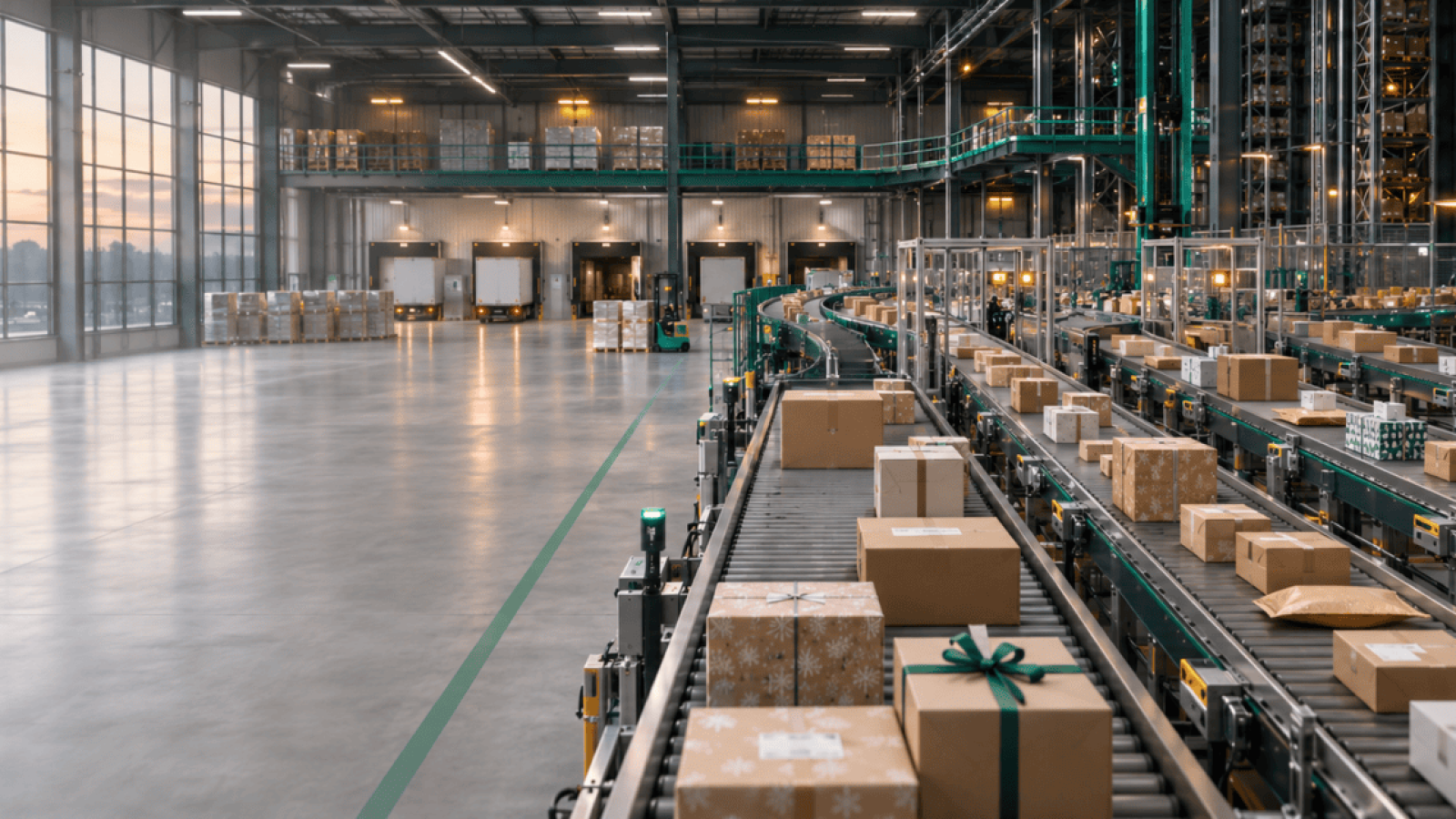
Every December, retail, food, and beverage DCs welcome a diverse cast of seasonal characters that put scalable warehouse automation to the test. Alongside the usual fare come oversized multipacks big enough to supply the entire extended family, elaborate gift baskets, limited-edition assortments, and oversized 3-foot candy bars designed with little consideration for the machinery expected to handle them.
During peak season, these festive additions challenge the scalability and flexibility of warehouse automation, unfamiliar packaging dimensions, unusual order combinations, and fluctuating order volumes that can cause smooth workflows to stumble.
As a result, the holiday rush can reveal cracks that everyday performance metrics overlook. In high-volume warehouse automation, an operation can be full of efficient machines that are inefficient at working together.
Integrate Your Way to Scale Warehouse Automation
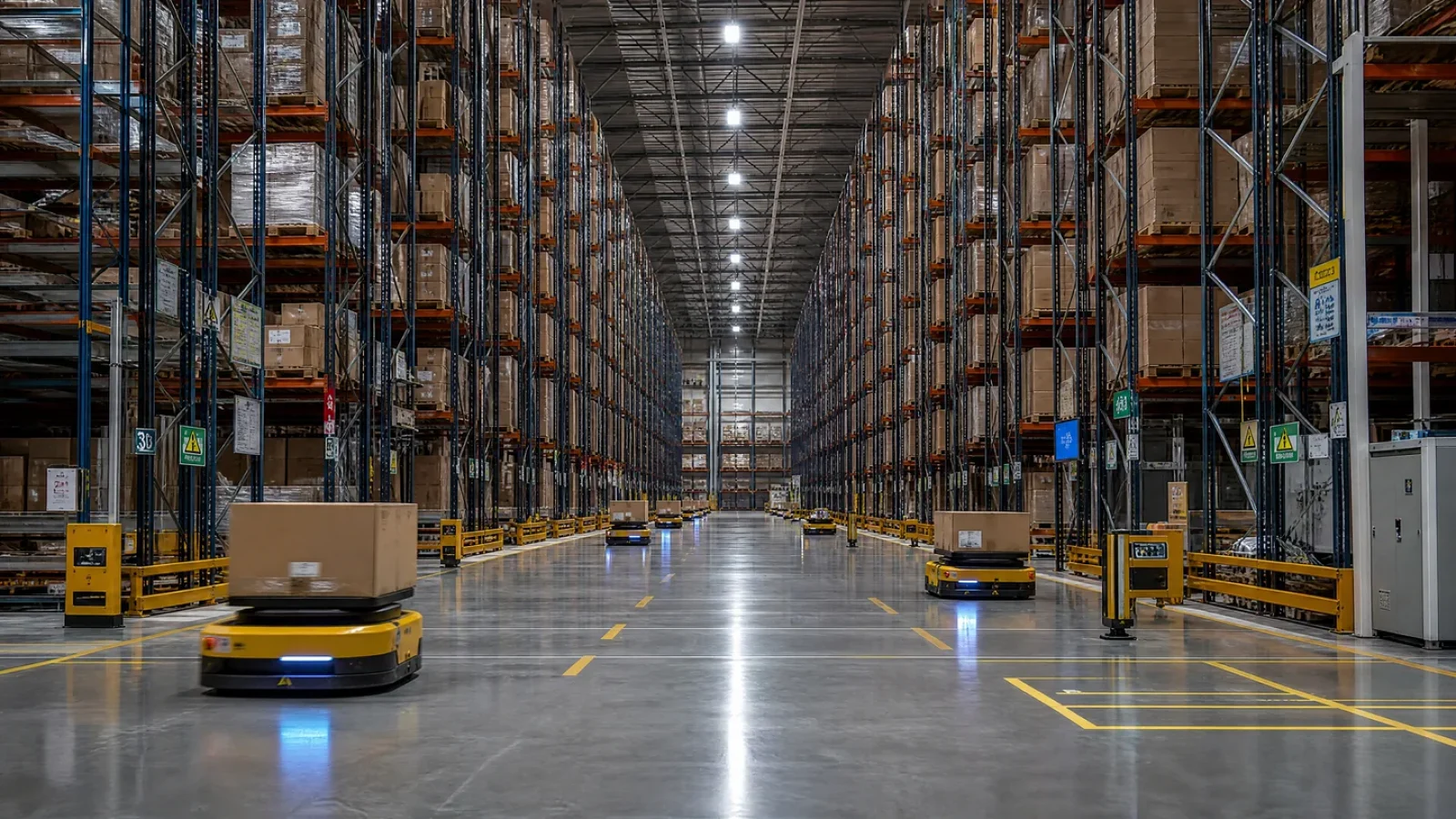
Modern warehouses rarely rely on a single automation technology. This is for good reason. With a wide range of specialized solutions on the market, operators can select the equipment best suited to each process rather than limiting themselves to one manufacturer’s portfolio. One supplier might offer the ideal automated storage and retrieval system, while another provides shuttles, conveyors, or mobile robots that better meet a facility’s requirements. As warehouse needs evolve, new technologies are added over multiple investment cycles, resulting in a diverse ecosystem of equipment from different manufacturers. When equipment from different manufacturers comes with its own control systems and communication protocols, integrating it with warehouse automation software becomes increasingly complex.
Under normal operating conditions, the arrangement might work well. Each piece of equipment performs its assigned task, and warehouse managers can monitor productivity through familiar metrics such as picks per hour, retrieval times, and equipment utilization.
When the holiday season dawns, it challenges the status quo. Incoming orders include 2,000 bow tied baskets of gourmet pears, cheese, and crackers bound for office desks nationwide, and elaborate bubble bath kits gifted to moms who don’t even own a bathtub. When a package includes specialty chocolates from small-parts storage, bottled beverages from pallet storage, and a fragile ornament that requires manual handling, completing the order depends on several processes converging perfectly.
In this situation, traffic jams are common. If the shuttle delivers early while the pallets are delayed, the final packing station collects half-baked orders. If the conveyor continues feeding work into the congested area, the problem grows, even while maintaining an impressive individual throughput rate. The automation tools followed instructions, but the overall operation is falling behind because each component is wearing blinders.
The difference lies in automating individual tasks vs. orchestrating an entire ecosystem to improve overall warehouse throughput.
Don't Forget to Align Communication Between Warehouse Systems
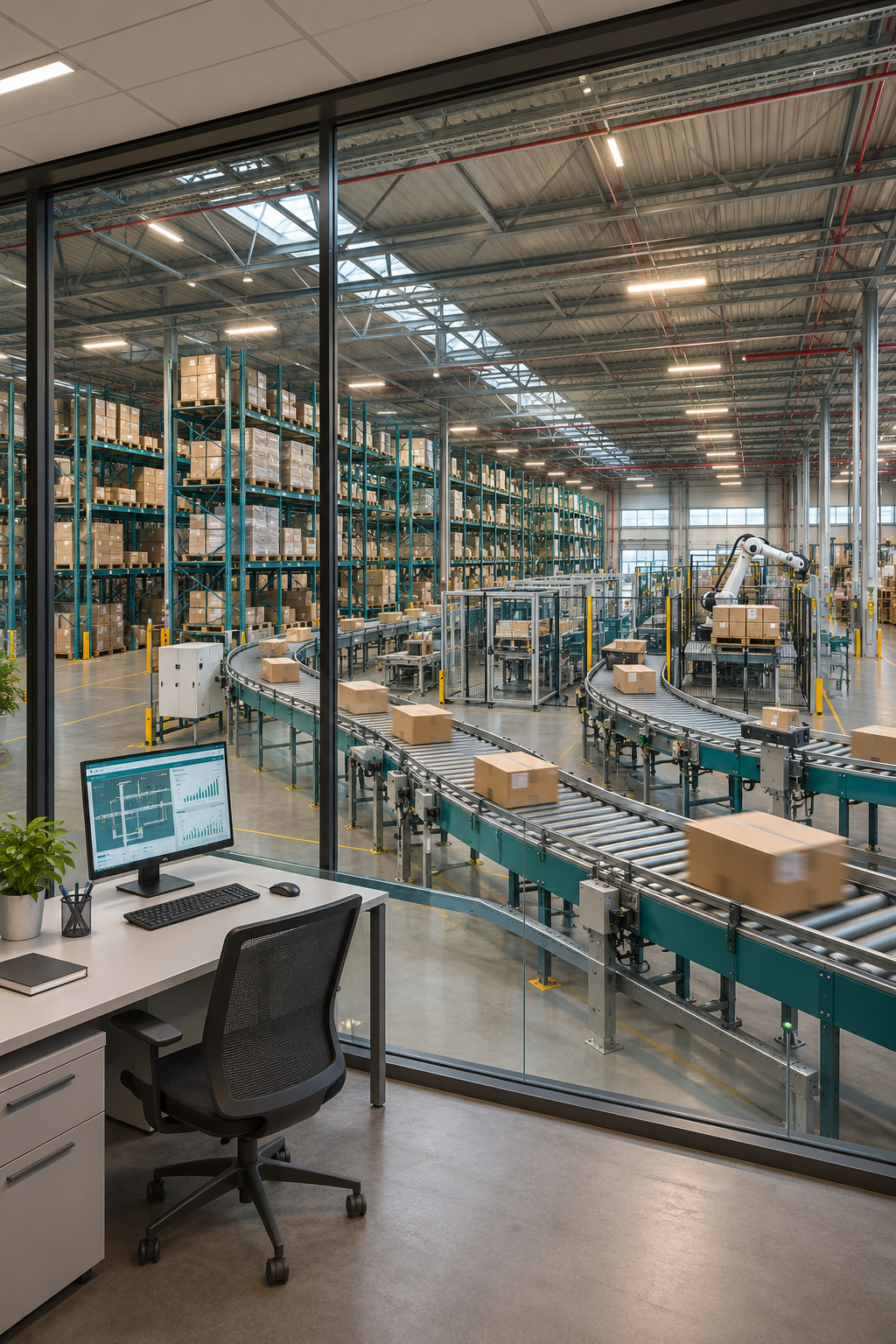
The problem becomes more complicated when different systems rely on different communication protocols, data structures, and control logic. Some equipment might provide detailed real-time status information, while other systems only offer limited signals about availability, workload, or interruptions.
The technologies might be able to exchange messages, but that doesn’t mean much if the messages aren’t universally understood by your systems. Effective coordination requires shared vocabulary and agreement about which operational priorities take precedence.
During periods of predictable demand, small differences may be manageable, but under peak-season pressure, small synchronization gaps can lead to slower throughput times.
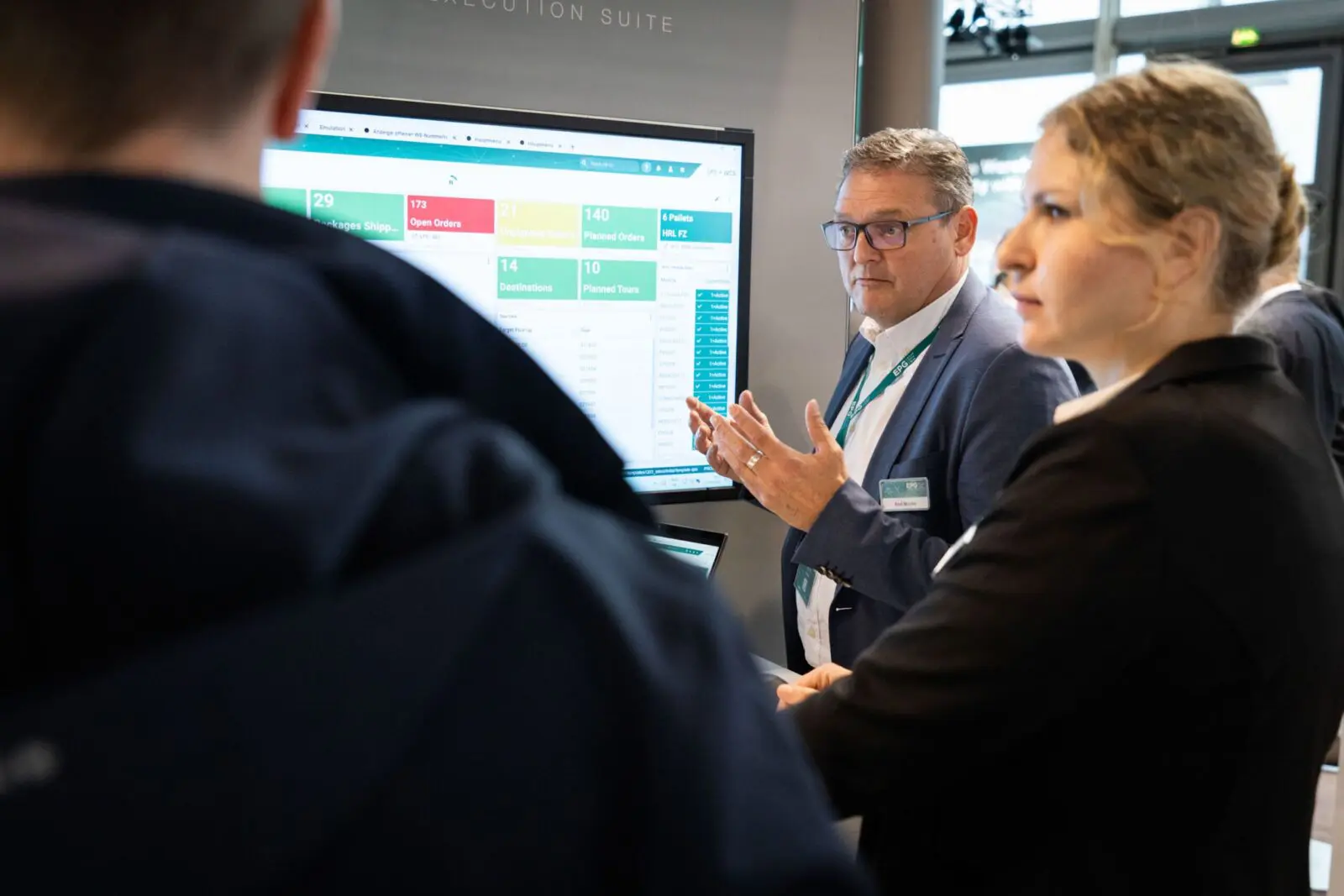
This makes a compelling case for manufacturer-independent warehouse control, which coordinates material-handling technologies through a common control environment rather than treating every machine as an isolated operation.
Truly scalable warehouse automation environments give individual systems a shared operational context, allowing routing decisions, equipment availability, and material-flow priorities to be coordinated across the facility.
Don't Buy What You Don't Need
When seasonal bottlenecks emerge, the obvious response is to increase capacity. If your conveyor gets too busy, buy another. If your picking area is crowded, add more workstations or automation.
But before adding equipment to the holiday shopping list, investigate whether the bottleneck is caused by insufficient physical capacity or inefficient workflows. A conveyor approaching its maximum throughput could be feeding downstream processes that can’t absorb the incoming workload. Increasing its speed would only relocate congestion. Similarly, adding another retrieval system won’t necessarily improve order completion times if products from different zones arrive in the wrong sequence.
Where did the order stop moving?
Did items arrive in the right sequence?
Could the next process take on more work?
Start by zooming out to examine how a workload is released, routed, and synchronized across the entire operation. Warehouse management systems and their integration with warehouse control technology play an important role. Order priorities, inventory allocation, and picking strategies determine what needs to move. Material-flow controls dictate how goods move through automated equipment. If these layers aren’t aligned, expanding physical capacity might not solve the core issue.
By tracking an order backward from its completion time to identify where work stalls, it’s possible to parse out equipment limitations from scheduling or coordination failures. In some cases, better sequencing and workload balancing may unlock capacity that already exists.
Don't Put All Your Automation Under One Tree
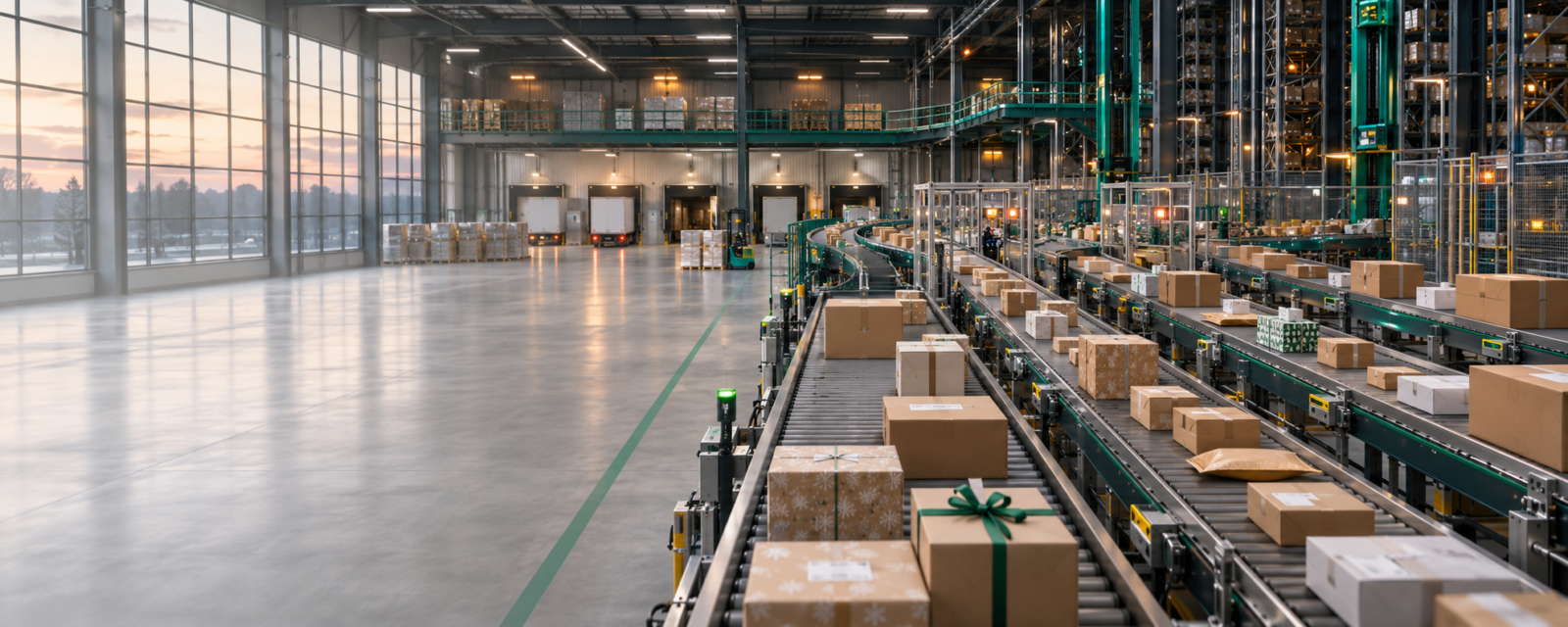
The holiday rush exposes how easily an automated warehouse can adapt when its requirements change. Scalable warehouse automation allows operators to expand capacity, integrate new technologies, and adapt material flows without disrupting existing operations or rebuilding the entire automation infrastructure.
Large distribution facilities are rarely static. Assortments evolve, customer expectations shift, and new automation technologies continually become available. A facility’s equipment must evolve in tandem to ensure that technologies installed over multiple investment cycles can work together effectively.
Building scalable warehouse automation starts with a manufacturer-independent approach to warehouse control, allowing operators to evaluate new technologies based on their operational suitability rather than limiting future investments to the supplier already installed. This is particularly valuable in brownfield facilities, where new automation must integrate with existing tools. Replacing functional equipment can be costly and disruptive. Connecting new automation to existing infrastructure through a flexible control architecture makes dynamic modernization practical and more cost-effective.
Digital twins and emulation environments allow operators to test material flows, equipment interactions, and potential changes before deploying them in live operations. A facility can investigate how a different order mix might affect consolidation or whether an additional automated component would actually improve throughput.
As operational data becomes more connected, AI-supported orchestration also presents opportunities to recognize emerging bottlenecks, evaluate dependencies, and recommend adjustments before local disruptions spread across the warehouse. But intelligent decisions still depend on reliable data and well-defined connections between the underlying systems.
The Gift That Keeps on Giving
The holiday rush may be temporary, but the complexity it exposes is here to stay. Seasonal and evolving fulfillment requirements will challenge warehouses long after the decorations come down. As automation portfolios grow, so does the importance of ensuring that new technologies complement existing investments.
For distributors planning their next automation investment, this calls for a mindset shift. Instead of asking only how much faster a new system can pick, store, or transport products, consider how effectively it will work with the equipment already in place and how easily the entire operation can adapt when requirements change. Scalable warehouse automation that integrates technologies from different manufacturers, coordinates their activities, and adjusts material flows without extensive modifications is just as valuable as the performance of any individual machine.